Health and Safety Policy for Cleaner Bayswater
 This health and safety policy sets out the standards and responsibilities that support safe, consistent, and professional cleaning work. It applies to every task carried out by a Cleaner Bayswater team member and to any environment where cleaning duties take place. The aim is to protect staff, clients, visitors, and anyone else who may be affected by cleaning activities. By following clear procedures, we reduce the risk of injury, illness, and property damage while maintaining a dependable service.
Our approach is based on prevention, awareness, and accountability. Each cleaner is expected to understand safe working practices before beginning a job and to continue applying them throughout the shift. This includes using equipment correctly, storing products securely, and recognising hazards such as slippery floors, broken fittings, electrical risks, or poor ventilation. A safe cleaning routine is not just a requirement; it is an essential part of professional performance.
We also recognise that different sites may present different challenges. For that reason, every assignment is assessed on arrival so that the cleaner can adapt the work method to suit the space. This may involve adjusting the order of tasks, selecting suitable tools, or delaying work in an area until it is safe to proceed. Nothing should be rushed at the expense of safety, even when schedules are tight.
Roles and Responsibilities
Management is responsible for establishing safe systems of work, providing appropriate training, and ensuring that equipment and materials are fit for purpose. Supervisors should review procedures regularly and correct unsafe practices quickly. A cleaning safety policy must remain practical, understood by everyone, and supported by regular communication.
Cleaners are responsible for following instructions, wearing any required protective equipment, and reporting hazards without delay. They should never use a product if the label is missing or unclear, and they should ask for guidance if they are unsure about a task. Good practice includes checking that warning signs are used when floors are wet, keeping walkways free from clutter, and making sure doors or access routes are not blocked during cleaning.
Everyone working under this policy must take reasonable care for their own safety and for the safety of others. This means avoiding unsafe lifting, keeping a tidy workspace, and using stable methods when reaching high areas. Safe behaviour must be consistent, not occasional.
 Training is an important part of maintaining high standards. New staff should be shown how to use tools, equipment, and cleaning products safely before being asked to work independently. Refresher training should be provided when processes change, when new products are introduced, or when incidents indicate that additional instruction is needed.
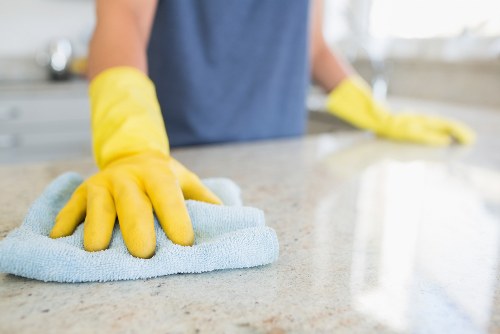
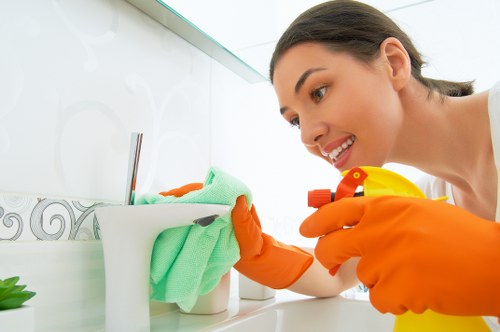
Personal protective equipment should be supplied where required and used correctly. This may include gloves, masks, aprons, or eye protection, depending on the nature of the work. PPE should be kept clean, inspected before use, and replaced when damaged. It is also important that uniform and footwear support safe movement and reduce the chance of slips or trips.
Manual handling must be carried out carefully. Heavy items should be moved using correct lifting technique, suitable trolleys, or team assistance where needed. If a load is awkward, too heavy, or unstable, the task should be reassessed before continuing. The best cleaner Bayswater practice is one that protects the body as well as the property being cleaned.
Safe Use of Equipment and Products
 All equipment should be checked before use to ensure it is in good condition. Cables, plugs, mop heads, vacuum attachments, and other tools must be inspected regularly and removed from service if faulty. Electrical items should be used according to manufacturer instructions and never handled with wet hands or in unsafe conditions. Proper storage and maintenance help extend equipment life and reduce avoidable risks.
Cleaning products must be selected and applied carefully. Labels should always be read before use, and chemicals should never be mixed unless specifically approved for that purpose. Containers must be clearly marked, securely closed, and stored away from food, heat, and unauthorised access. Good ventilation should be maintained where possible, especially when using stronger products.
Spill control is another key safety measure. Accidental spills should be dealt with promptly using the correct method for the substance involved. If there is any doubt, the area should be isolated until it is safe to clean. By treating product handling with attention and discipline, a Bayswater cleaning service can lower the risk of harm significantly.
Incident Reporting and Emergency Response
Any accident, near miss, or hazard must be reported as soon as possible. Prompt reporting helps identify patterns and prevents similar incidents from happening again. The details should be recorded accurately, including what happened, where it occurred, and what action was taken. This process supports improvement and demonstrates a serious commitment to workplace welfare.
Emergency procedures should be understood before work begins. Cleaners should know how to respond to fire alarms, medical incidents, chemical exposure, or dangerous leaks. In an emergency, the first priority is to protect people, then to secure the area if it can be done safely. Calm and clear action is essential when conditions change unexpectedly.
First aid supplies and emergency contacts should be available in line with site arrangements, and staff should know the limits of their role. They must not put themselves at risk while attempting to help. Instead, they should follow the agreed procedure and seek support from the responsible person on site.
Monitoring, Review, and Continuous Improvement
 This policy will be reviewed regularly to ensure it remains effective, relevant, and suited to current working practices. Reviews should consider feedback from incident reports, changes in equipment, new cleaning methods, and updates to training needs. A safe cleaning Bayswater standard depends on continual improvement rather than fixed routines alone.
Audits and spot checks may be used to confirm that procedures are being followed properly. Where gaps are found, corrective action should be taken promptly and recorded. This may include retraining, replacing worn equipment, or revising work methods. Safety responsibilities should be visible in everyday practice, not only in written documents.
Every cleaner should be encouraged to raise concerns and suggest practical improvements. When teams communicate openly, it becomes easier to spot risks early and maintain a reliable standard of care. Safety, professionalism, and consistency are central to this policy and to the service it supports.
Final Commitment
 The organisation is committed to providing a secure working environment and to carrying out cleaning work in a manner that protects health and well-being. By following this policy, every Cleaner Bayswater team member contributes to safer workplaces, better outcomes, and a stronger culture of responsibility. This commitment applies to every shift, every task, and every location where cleaning services are delivered.