Queensway flat cleaning guide Bayswater W2
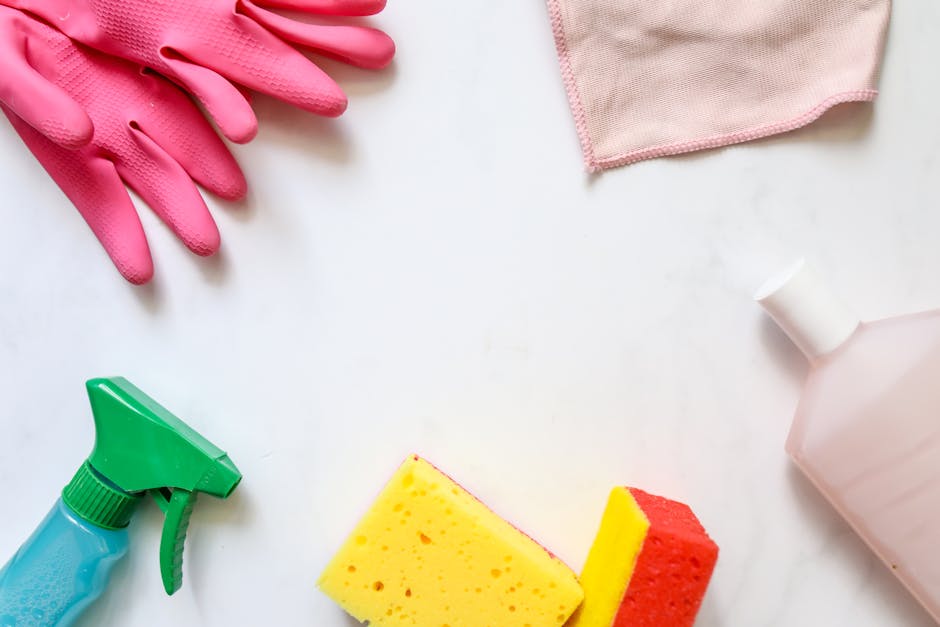
If you live in or near Queensway and you are trying to get a flat properly clean in Bayswater W2, you already know the difference between "looks tidy" and "actually clean." Hallways can be narrow, dust gathers in the corners, and kitchens in London flats seem to collect grease just by existing. This Queensway flat cleaning guide Bayswater W2 brings the whole job into focus: what matters, how to tackle each room, where people usually go wrong, and when it makes sense to bring in professional help. Whether you are moving out, settling in, hosting guests, or just reclaiming your weekend, the aim here is simple - make the process less stressful and a lot more effective.
You will find a practical walkthrough below, plus a simple checklist, a comparison of cleaning methods, and answers to the questions people ask most often. No fluff. Just useful guidance that works in real flats, with real life happening in them.
Why Queensway flat cleaning guide Bayswater W2 Matters
Queensway and Bayswater flats often have a few things in common: compact layouts, lots of touchpoints, older finishes in some buildings, and shared spaces that pick up grime faster than you expect. That means a quick surface tidy is rarely enough. A proper flat cleaning routine matters because it protects the condition of the property, makes day-to-day living calmer, and helps you avoid awkward surprises at the end of a tenancy or before guests arrive.
In practical terms, a good cleaning guide saves time because it stops you from cleaning the same area twice. It also helps you prioritise the places that really show wear, such as ovens, skirting boards, bathroom grout, window frames, and soft furnishings. Truth be told, most flats do not need a dramatic overhaul every week - but they do need a structured approach. Without one, dust migrates, odours linger, and the "I'll deal with it later" jobs become the jobs you dread most.
There is also a nice bit of peace of mind in knowing what good looks like. If you are moving out, that matters for inspection standards. If you are moving in, it matters for hygiene and comfort. If you run a short-let or Airbnb-style property, it matters even more because presentation and cleanliness are closely tied to guest confidence. That is why many homeowners and landlords prefer a broader service like deep cleaning rather than relying on a standard wipe-down.
How Queensway flat cleaning guide Bayswater W2 Works
The simplest way to approach flat cleaning is to break it into zones and then work from the cleanest areas to the dirtiest. That sounds obvious, but in a real flat it stops the usual chaos. You do not want to mop a kitchen floor before wiping greasy cupboard doors, for example. You also do not want to clean the bathroom last and then walk through the flat in wet shoes, because yes, that happens more often than people admit.
A practical cleaning process usually starts with decluttering, then dusting high-to-low, then handling wet areas like the bathroom and kitchen, and finally finishing with floors. In smaller Bayswater flats, this sequence matters because every room is connected by a narrow route. If you skip the order, you end up dragging dust and debris from one space to the next. Not ideal.
Here is the basic working rhythm:
- Open windows if the weather allows and air the flat out.
- Remove rubbish, recyclables, and stray items from surfaces.
- Dust ceiling corners, lights, shelves, and reachable fixtures.
- Clean the kitchen and bathroom carefully with appropriate products.
- Vacuum upholstery, rugs, carpets, and floor edges.
- Finish with hard floors, mirrors, and final touchpoints.
For some homes, especially when there has been a move or renovation dust, it can make sense to pair the process with move-out cleaning or move-in cleaning. Those services are built around the realities of empty rooms, storage gaps, and those strange dusty patches behind radiators that always seem to appear at the last minute.
Key Benefits and Practical Advantages
The biggest benefit of following a structured flat cleaning guide is consistency. Instead of cleaning in a panic, you use the same sensible method each time. That means fewer missed areas and fewer "how did I forget that?" moments when someone opens a cupboard or lifts a sofa cushion. It also tends to reduce overall effort because you are not wasting energy jumping around the flat.
There are a few other advantages worth calling out:
- Better hygiene: kitchen surfaces, bathroom fixtures, and hidden corners stay under control.
- Improved appearance: rooms feel brighter, less cluttered, and more welcoming.
- Longer-lasting finishes: regular care helps protect flooring, upholstery, and painted surfaces.
- Less stress before inspections: you are not rushing to fix avoidable issues the night before.
- Better indoor comfort: lower dust and odour levels make the flat feel easier to live in.
For landlords and tenants, a careful approach can also reduce disagreement over condition. That is especially useful in busy areas like Queensway where turnover can be fast and expectations can be high. If the job includes carpets, sofa fabrics, or stubborn spills, using specialist support such as carpet cleaning or stain removal can make the difference between "fine" and "properly presentable."
Expert summary: The best flat cleaning results usually come from sequencing, not speed. Clean in the right order, use the right tools, and focus on the areas people touch, see, and smell first.
Who This Is For and When It Makes Sense
This guide is useful for a wide range of people, and honestly, that is part of its strength. Not everyone needs the same level of clean. A studio flat with one occupier is different from a shared apartment, and an owner-occupied home is different again from a rental or short-let property.
You will probably find this especially useful if you are:
- moving into a new flat and want a fresh start;
- moving out and need the property ready for inspection;
- living in a compact flat where dust and clutter build quickly;
- preparing for guests, photos, or a viewing;
- managing a rental property between tenancies;
- dealing with pets, cooking smells, or frequent foot traffic;
- looking for a one-off reset rather than an ongoing routine.
Sometimes the right answer is not a general weekly clean at all. If your flat has become a little overwhelming - and let's face it, that can happen to anyone after a busy month - a one-off cleaning service may be the more realistic option. If you need ongoing support, regular cleaning is usually a better fit because it keeps the property in shape before things build up.
Step-by-Step Guidance
If you want the flat to feel genuinely clean, not just presentable from a distance, work through each stage carefully. This is the part where a bit of structure really pays off. No need to turn it into a military exercise, though.
1. Start with decluttering
Pick up loose items first. Shoes, post, shopping bags, chargers, random receipts - the usual suspects. Cleaning around clutter is slower and often less effective, because surfaces stay partially blocked and dust hides underneath. In a Queensway flat, where storage can be tight, this first step makes everything else feel easier straight away.
2. Ventilate the rooms
If the weather and building setup allow it, open windows for fresh air. This helps reduce stale smells and gives cleaning products a chance to dry more evenly. In winter you may only open them briefly, but even a few minutes helps. You will notice the difference, especially in kitchens and bathrooms.
3. Dust high to low
Work from shelves, picture rails, light fittings, and tops of wardrobes down to skirting boards and lower furniture. This prevents dust from falling onto already-cleaned surfaces. A microfiber cloth or soft duster is usually best for this stage.
4. Tackle the kitchen properly
The kitchen deserves patience. Wipe cupboard fronts, handles, splashback tiles, switches, and the sink area. Clean inside the microwave and beneath appliances where possible. If the oven is greasy, burned-on residue may need specialist attention, and that is where oven cleaning can save a lot of time and elbow grease.
Do not forget the little things. The side of the kettle, the top edge of the fridge, the bin lid. They get skipped constantly.
5. Clean the bathroom from top surfaces down
Bathroom cleaning works best when you do the fixtures first, then the tiles and glass, and finally the floor. Pay attention to taps, sink rims, toilet base areas, and soap build-up around shower screens. A toothbrush-style detail tool can help with grout and tight corners. It is a humble little hero, really.
6. Refresh soft furnishings and fabrics
If the flat has sofas, armchairs, rugs, curtains, or mattresses that have picked up dust or odour, treat them as part of the cleaning plan rather than an afterthought. Fabric surfaces hold onto smells and airborne dust. Services like upholstery cleaning, sofa cleaning, rug cleaning, curtain cleaning, and mattress cleaning are often the difference between a room that smells fresh and one that merely looks tidy.
7. Finish with floors and final checks
Vacuum thoroughly, paying attention to corners, under furniture, and along edges. Then mop hard floors if needed. If you are dealing with timber, engineered wood, stone, or tile, the right approach depends on the surface. For that reason, it helps to read the finish correctly rather than using one method for everything. When in doubt, hard floor cleaning support can be a safer choice than guessing.
Once the floors are done, walk the flat slowly and check reflections, fingerprints, and missed marks near switches and door frames. Small details stand out in natural light, especially around late morning when Queensway flats suddenly look half a shade more revealing than they did in the evening.
Expert Tips for Better Results
There are a few tricks that consistently improve the outcome, and most of them are boring in the best possible way. The glamorous stuff rarely matters as much as the patient stuff.
- Use two cloths per room. One for grime, one for finishing. Mixing both often just moves dirt around.
- Test products on hidden areas. This is especially sensible for paint, natural stone, and fabric.
- Work in sections. A kitchen can be split into sink area, cooking area, and storage area so it feels manageable.
- Let products dwell. Give cleaners time to loosen dirt before wiping them off.
- Pay attention to touchpoints. Handles, switches, rails, and remote controls get handled constantly.
- Vacuum twice if needed. Once in the main pass, once around edges and under furniture.
If the property has hosted pets, cooking-heavy routines, or a long period without deep attention, a targeted service such as pet stain odour removal can be very helpful. Odour has a sneaky way of lingering after the visible mess is gone. You clean the spot, step back, and then... still there. Annoying, but common.
One more tip: avoid over-wetting fabrics and floors. A lot of DIY cleaning problems come from using too much liquid rather than too little. Damp, not drenched. That is the rule.
Common Mistakes to Avoid
Most cleaning mistakes are avoidable, which is comforting in a slightly smug way. The usual issue is not lack of effort; it is just the wrong order, the wrong product, or too much speed.
- Cleaning without decluttering first: it slows everything down and leaves hidden dirt in place.
- Using one cloth for everything: this spreads grease and germs between surfaces.
- Skipping high-touch areas: a clean-looking flat can still feel grubby if handles and switches are missed.
- Ignoring extraction points: extractor fans, vents, and window edges often trap dirt.
- Using harsh products on delicate surfaces: some finishes need gentler care.
- Leaving fabric stains too long: the longer they sit, the harder they are to shift.
- Forgetting hidden zones: behind bins, under radiators, and around skirting boards are classic trouble spots.
Another common mistake is assuming every flat needs the same level of work. A small, low-traffic home may only need a structured tidy and a few detailed tasks, while a heavily used rental might need a broader reset. That is why many people combine general domestic support with domestic cleaning when they want both flexibility and consistency.
Tools, Resources and Recommendations
You do not need a van full of equipment to clean a flat well, but the right basics make life easier. The aim is sensible, not excessive.
| Cleaning need | Useful tools | Best fit |
|---|---|---|
| General dust and dusting | Microfiber cloths, soft duster, extendable handle | Bedrooms, living rooms, shelves, skirting |
| Kitchen degreasing | Degreaser, non-scratch sponge, scrubbing brush | Cupboards, hobs, splashbacks, extractor areas |
| Bathroom detail work | Detail brush, limescale cleaner, cloths | Taps, grout, shower screens, sinks |
| Floor finishing | Vacuum, mop, suitable floor solution | Carpeted and hard-floor areas |
| Fabric refresh | Vacuum with upholstery tool, fabric-safe cleaner | Sofas, rugs, curtains, mattresses |
For households with a mix of surfaces, it helps to be specific. For example, a flat with both carpets and polished floors may need a blended plan involving steam carpet cleaning for deeper fabric care and window cleaning for a brighter finish in rooms that feel shaded by nearby buildings. If the property has just been refurbished, after builders cleaning is usually more appropriate than a standard clean because dust gets into tiny gaps and settles on every horizontal surface.
On the trust side, it is reassuring to know the company you choose has clear policies and operational standards. Pages such as insurance and safety, health and safety policy, payment and security, and recycling and sustainability can tell you a lot about how seriously a provider takes the work. That matters, quietly but a lot.
Law, Compliance, Standards, or Best Practice
For flat cleaning in the UK, the most relevant concerns are usually practical rather than legal. That said, there are still good standards to follow. For example, if you are a tenant, you should leave the property in the condition required by your tenancy agreement, allowing for fair wear and tear. If you are a landlord or managing agent, it is sensible to document condition clearly before and after cleaning. Keep things factual, not emotional. It makes everyone's life easier.
Health and safety also matters, especially in shared buildings or compact homes. Slips, trips, and cleaning chemical misuse are avoidable risks. Use products as directed, ventilate the space where needed, and keep strong cleaners away from children and pets. If you are handling communal entrances or shared hallways, be mindful that residents may pass through while work is happening. Good practice is to leave routes clear and avoid creating wet, unsafe floors.
There is also a sustainability angle. Many London residents are more careful now about waste, packaging, and product choice. Reusable cloths, measured use of chemicals, and sensible sorting of rubbish and recyclables are simple habits that fit modern cleaning best practice without overcomplicating the job.
Options, Methods, or Comparison Table
Not every flat needs the same cleaning method. In reality, the right approach depends on what you are trying to achieve and how much time you have. Here is a simple comparison to help you decide.
| Method | Best for | Pros | Watch out for |
|---|---|---|---|
| Routine DIY clean | Weekly upkeep and light maintenance | Low cost, flexible, familiar | Easy to miss hidden grime and detail areas |
| One-off reset | Flats that have built up dust, clutter, or grease | Brings the property back to baseline fast | May still need specialist support for stains or fabrics |
| Deep clean | Moving in, moving out, inspections, neglected rooms | More thorough and more consistent | Takes longer and needs a proper plan |
| Specialist add-ons | Carpets, sofas, ovens, mattresses, odours | Better results for problem areas | Only useful if the issue is genuinely surface-specific |
For many people, the best answer is a combination. For example, a regular clean keeps things sane, then a specialist service handles problem areas every so often. That can be smarter than trying to do everything at once. To be fair, most people do not have the time or patience to scrub an oven every Tuesday.
Case Study or Real-World Example
Imagine a two-bedroom Bayswater flat close to Queensway with a small kitchen, one bathroom, and a fairly busy living room. The occupant has just finished a long work month, the flat has not had a full reset in a while, and there is a mix of dust, cooking residue, and a faint smell from the sofa. Nothing dramatic. Just life, really.
They begin by clearing clutter from surfaces and opening the windows for fresh air. The kitchen gets attention first because grease is easiest to spot there. Cupboards are wiped, the hob is cleaned, and the oven is left for specialist treatment because the baked-on residue is not worth fighting alone. The bathroom follows, then the sofa and rug are vacuumed, and the mattress is refreshed. The final floor pass makes the flat feel more open immediately.
What changed most? Not just the shine. The flat felt calmer. The smell shifted. The light looked better. The space became usable again rather than something to work around. That is the quiet value of a good cleaning plan: it gives the home back to you.
Practical Checklist
Use this checklist before you call the job done. It is simple, but that is the point.
- All clutter removed from surfaces and floors
- Bins emptied and liners replaced
- Windows opened or rooms aired out briefly
- High dust removed from shelves, lights, and corners
- Kitchen cupboards, handles, hob, sink, and splashback cleaned
- Oven checked for residue or specialist cleaning needs
- Bathroom taps, tiles, toilet, sink, and shower area cleaned
- Sofas, rugs, curtains, and mattress surfaces vacuumed or treated
- Skirting boards, switches, and door frames wiped
- Floors vacuumed and mopped where appropriate
- Mirrors, glass, and visible marks checked in daylight
- Final odour check completed in each room
If one or two of those items are still causing trouble, do not panic. Most flats do not need perfection. They need careful, honest attention. That is plenty.
Conclusion
A Queensway flat cleaning guide Bayswater W2 is really about making a compact London home easier to live in, easier to hand over, and easier to enjoy. The best results come from a steady method, the right order, and a realistic view of what needs specialist care. You do not have to do everything at once, and you definitely do not have to do it badly just because time is short.
Start with the rooms that matter most, focus on the surfaces people touch and notice, and use specialist help where it genuinely improves the result. Whether you are preparing for guests, a move, or simply a more peaceful home, a clean flat changes the feel of the day more than people expect. Small thing, big relief.
Get a free quote today and see how much you can save.
Frequently Asked Questions
What does a Queensway flat cleaning guide Bayswater W2 usually cover?
It usually covers room-by-room cleaning order, common problem areas like kitchens and bathrooms, fabric care, floor cleaning, and the checks you should make before you finish. A good guide should help you clean more efficiently, not just more often.
Is a deep clean better than a regular clean for a flat in Bayswater W2?
It depends on the condition of the flat. If the home has built-up dirt, has been empty for a while, or needs to be ready for inspection, a deep clean is often more suitable. For general upkeep, regular cleaning is usually enough.
How long does flat cleaning normally take?
That depends on the size of the flat, the level of dirt, and whether you are handling fabrics, ovens, or windows too. A small flat can be straightforward, while a heavily used two-bedroom home can take much longer than people expect.
What are the hardest areas to clean in a Queensway flat?
Kitchens and bathrooms tend to be the hardest because grease, limescale, and moisture build up over time. Hidden areas like skirting boards, vents, and the spaces behind appliances are also easily missed.
Should I clean carpets and upholstery as part of a flat clean?
Yes, if they show dust, smells, stains, or general dullness. Soft furnishings hold onto dirt in a way hard surfaces do not. That is why services like carpet cleaning and upholstery cleaning can be so useful.
What should I do before a move-out clean?
Remove personal items first, empty cupboards, defrost the fridge if needed, and note any stains or damage. That makes the cleaning process faster and helps avoid last-minute stress.
Can I use the same products in every room?
Not always. Some surfaces need gentler cleaners, and some materials react badly to harsh chemicals. It is safer to match the product to the surface rather than assuming one bottle does the lot.
How do I deal with stubborn cooking smells in a flat?
Ventilation helps, but so does cleaning soft furnishings, bins, extractor areas, and hidden kitchen surfaces. If the smell is trapped in fabrics or from pet issues, specialist odour removal can make a big difference.
Is a one-off cleaning service a good option for busy tenants?
Yes, especially if the flat has built up grime and you need a proper reset without committing to ongoing visits. One-off cleaning is often the most practical middle ground for busy households.
What signs tell me I need professional help?
If the oven is heavily burnt on, carpets are marked, upholstery smells stale, or the flat simply feels too far gone to tackle quickly, that is a good sign. Professional help is also useful when time is tight and the standard needs to be high.
How can I keep a flat cleaner for longer?
Use a simple routine: clear clutter daily, wipe kitchen surfaces often, vacuum regularly, and deal with stains quickly. Small habits prevent the big clean from becoming a massive job later.
Where can I learn more about booking a service or checking trust details?
You can review practical details on pricing and quotes, and if you want to understand company standards, look at pages such as about us, insurance and safety, and health and safety policy. Those pages help you judge how a provider works before you book.